
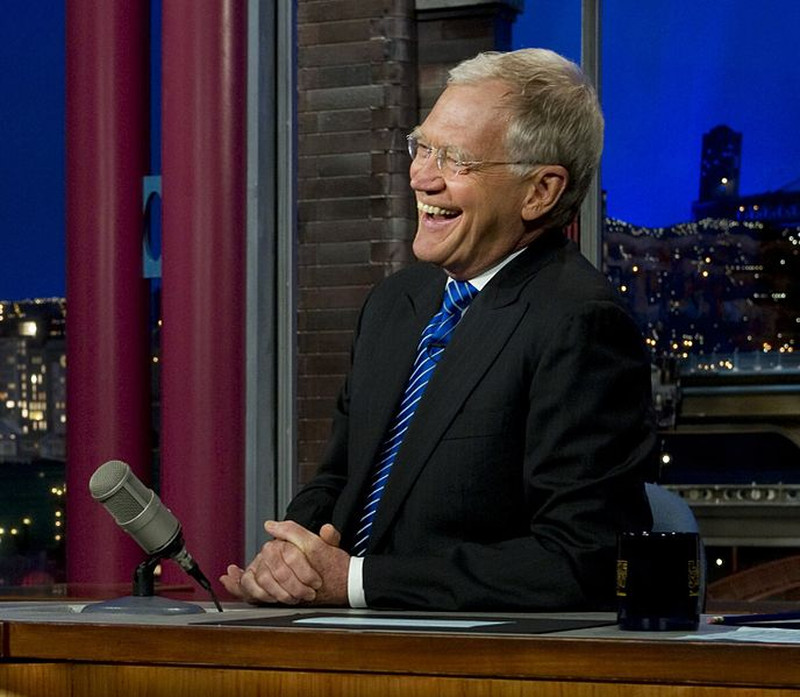
3 things David Letterman taught us about graceful exits

I’ve watched David Letterman since the early days and while my attention to his show has waned in recent years, I’ve always appreciated his prickly, peculiar approach to late night. Yesterday evening watching his final show – the first show I’d watched in a long while – I was moved by his expression of gratitude to friends, family and staff. He did it right. He took a few moments and paid his respects.

Read More


Get your boss to say YES!, Part 1 of 2

As an employee, chances are you’re going to want something from your boss eventually, and you’re going to have to ask for permission or approval. Even if you have amazing ideas for new ways to do things, your boss may be reticent to change things and you may get “No” because things have always been done this way, we need to be realistic, maybe in the future, and so on. But it’s not always about what you’re asking for, rather how you ask for it. The concept of “managing up” to your boss is problematic (no manager likes to be managed). Instead, think about other ways to influence your boss.

Read More

Six tips to respond to tough media questions

Getting a chance to be spotlighted in the media is a great opportunity for
a business or organization. It helps you to continually define your
company’s story and shape your public image. Sometimes you may get hit with
some tough questions from the media, and since the way you respond to these sorts
of tough media questions can affect your public image, it’s important to
know how to handle the spotlight gracefully.

Read More

Teamwork: 3 keys to keep arms locked in battle

As I watch my NCAA men’s basketball brackets fall apart as the tournament winds down (or winds up depending on your team’s good fortune), I have noticed an interesting body language phenomenon. I watch the guys on the bench. In these super competitive games, the players on the huddle together, with arms locked in solidarity as their teammates battle it out on the court. It is such a powerful demonstration of unity and fraternity. It says, ‘We are here, cheering you on. We believe in you.’

Read More

What does a business consultant do?

While mingling at a networking event, one of the most common questions asked is, “What do you do?” Wouldn’t it be fun to be able to respond with, “I’m a Cirque de Soleil performer.” “I’m a mountaineer and have climbed Everest four times!” However if you respond with “I’m a business consultant” you may get a friendly nod at best and at worse a yawn. It is an overused descriptor but is a role that is crucial to the success of many organizations.

Business consultants are organizational thinking partners. The need comes about when people find their organization needs a jumpstart, a fresh perspective or an update of their current business practices to be more successful. The business may just be starting out and need some guidance as to how to be most successful, or they may be reorganizing and restructuring, or perhaps hovering dangerously close to business failure and financial ruin.

Read More